by Siegfried Othmer | December 18th, 2023
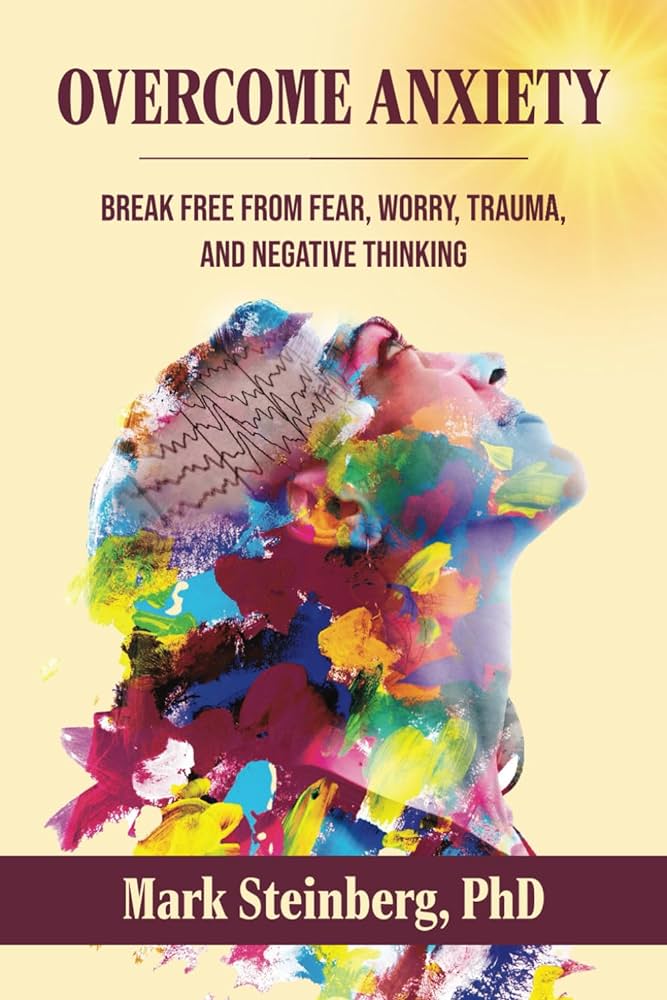
FOREWORD, by Siegfried Othmer
Our nation is experiencing a health crisis so pervasive that it is showing up in a decline of life expectancy. We now know this health predicament is rooted in a growing mental health crisis, which can hardly be captured better than by focusing on such an increasingly widespread affliction for which the prevailing remedies are largely unavailing: anxiety. Anxiety is an infirmity that has not been grasped and understood in its full essence. As we chip away at aspects of anxiety, its medical and psychological manifestations, respectively, the need for mind-body integration could hardly be more obvious. The concept had to be explicitly introduced into our discourse because it wasn’t naturally at home within the treating professions.
Read More »
Posted in Neurofeedback | Comments Off on A new book by Dr. Mark Steinberg: “Overcome Anxiety: Break Free From Fear, Worry, Trauma, and Negative Thinking”
by Virginia Rojas Albrieux | September 12th, 2023
Dear Neurofeedback Clinicians,
We are delighted to share some exciting updates with you regarding our course schedule for 2023-2024! As you may know, we have resumed our in-person courses and are delighted to be able to connect face-to-face once again. Being back in the classroom has been truly invigorating for both our staff and participants alike. We understand the value of personal interaction and believe it plays a vital role in fostering a rich learning experience.
Read More »
Posted in Neurofeedback | Comments Off on EEG Info’s Path to Excellence: Expanded Calendar with Innovative Neurofeedback Courses
by Siegfried Othmer | August 22nd, 2023
We have been successful with quick recovery from suicidal episodes for as long as we have had a chance to work with such cases. This goes back to our early days with EEG band training, the 1990’s, and has continued on a better footing with our excursion into Infra-Low Frequency (ILF) Neurofeedback.* Single-session recoveries came to be expected. Other practitioners in our network reported similar results. Lasting relief from suicidality calls for more sessions. With extended histories of suicidality, recovery is going to involve longer-term training and complementary protocols.
Read More »
Posted in Neurofeedback | Comments Off on On Suicidal Ideation and Self-Harm
by Siegfried Othmer | July 28th, 2023
The Deep Roots of Endogenous Neuromodulation
The method of Endogenous Neuromodulation has come to dominate our work in neurofeedback. It is characterized by the absence of any discrete reinforcers, the distinguishing feature of the operant conditioning model. We still rely on a complementary inhibit scheme, but the discrete markers here are mere cues to the brain as to its state of dysregulation. They do not offer a prescription for change. The response is left to the discretion of the brain. In endogenous neuromodulation, this principle is extended more broadly: the response to the brain-derived signal is left entirely to the discretion of the brain itself.
As we regard our 38-year development trajectory in this field retrospectively, it is apparent that the element of endogenous neuromodulation was always present, even as we were still formally engaged with the operant conditioning model. First and foremost, there was the incorporation of EEG dynamics at the training frequency prominently in the feedback signal. In connection with his work on sensory substitution, Paul Bach-y-Rita was prompted to say: “If you give the brain any information about itself, it will make sense out of it.” If the brain is given information on its own dynamics, it will take advantage, and we refer to this aspect appropriately as endogenous neuromodulation. Here’s the early history:
Read More »
Posted in Neurofeedback | Comments Off on Endogenous Neuromodulation in the Larger Perspective of Neurofeedback
by Kurt Othmer | March 30th, 2023

It’s been a cold winter here in Los Angeles, and I see our rain keeps making the news. The rest of the US keeps setting records for cold weather as well. But spring is here, and we can’t wait to thaw out from a chilly winter. We’re also thawing out after three long years of a pandemic that put some of our favorite things, like this “regular newsletter,” on ice for a while. But, we’re still here in our big office and classroom in Los Angeles, the clinic is open again, there are new staff members to meet, some returning previous staff, a return to in-person learning in our classroom with breakfasts and coffee, a new director of education, a new lower frequency in the software, heartwarming accomplishments in the non-profit to tell you about, new publications, new videos to watch, and more.
Read More »
Posted in Neurofeedback | Comments Off on April 2023 Newsletter
by Siegfried Othmer | March 16th, 2023
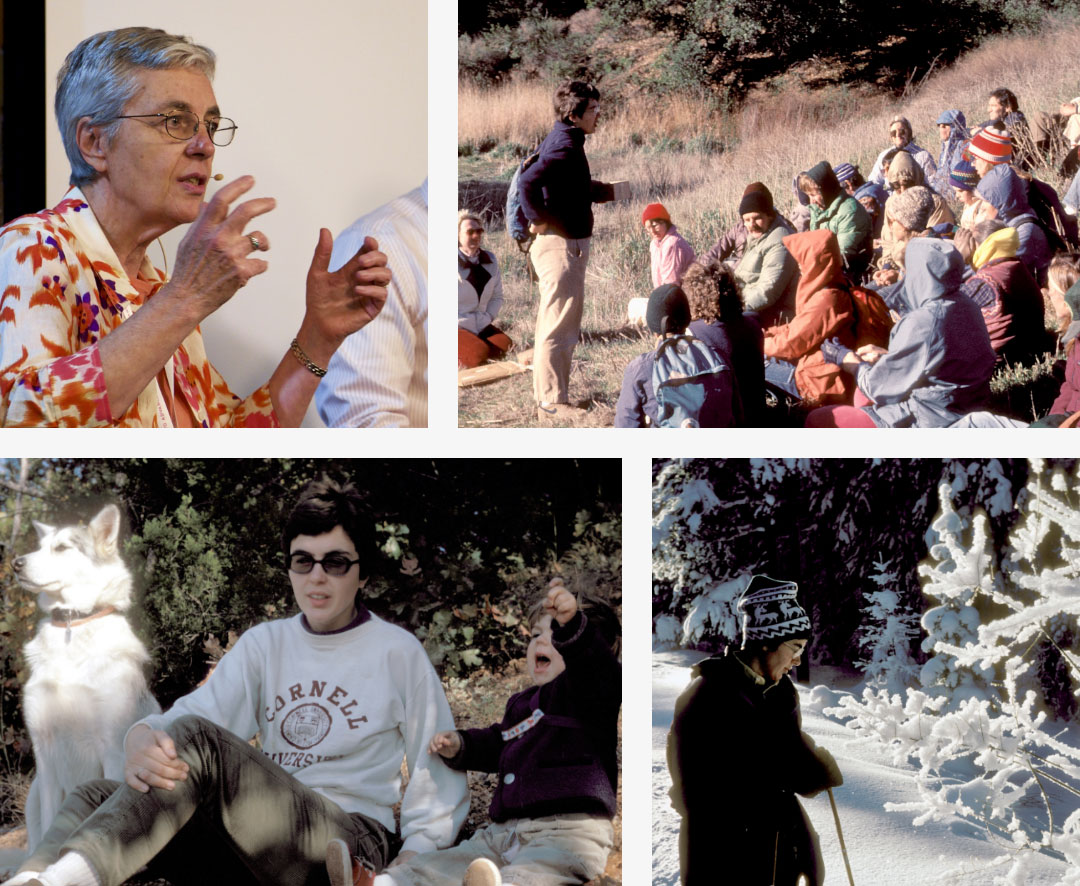
Thank you for all the support we have received over the last month. We are so moved by all the letters, flowers, cards, emails, donations. Sue was deeply loved.
- The memorial will not be recorded or streamed. We look forward to seeing many of you in person although we wish it was under happier circumstances.
- Everyone is welcome to join us for a hike after the memorial, weather permitting.
- The hike will begin at 2:30pm in the Upper Las Virgenes Canyon Open Space Preserve, Western end of Victory Blvd, Woodland Hills, CA. There is a $3 parking fee to park inside the lot and your payment helps support the park. You can also find parking on the street outside the lot.
Thank you so much. See you Saturday.
Read More »
Posted in Neurofeedback | Comments Off on Sue Othmer’s Memorial: This Saturday, March 18, 2023